
New Zealand’s construction recovery has started on paper. The businesses that win it will use the gap before the work lands to fix the engine, not polish the paintwork.
In March 2009, Ross Brawn bought a Formula 1 team for a pound. Eight months later, it won both world championships. The car had been built through the downturn, while nobody was watching.
That’s where building sits now. In the year to September 2026, councils consented just over 41,000 new homes, up 17.8 percent, according to Stats NZ figures reported by Westpac. But building work only turned in the June quarter. A consent is a promise, not a pour. The gap between the two is your off-season.
- The recovery has started on paper. Consents are up, but the work hasn’t reached site yet. The gap is your off-season.
- The end customer decides. A household’s confidence to build flows up through every builder, merchant, supplier and lender.
- Your trade customers need utility now. A firm price, honest lead times and someone who answers the phone.
- Fund the foundation before the tactics. Know who you serve before you buy a new website, portal or app.
- Good CX helps you find the number that matters. We’re an insight-led advisory for established businesses in New Zealand and Australia. Book a 15-minute call.
Who decides when the construction recovery starts?
The customer at the end of the chain. One person at a kitchen table decides whether they feel confident enough to build. That decision flows up through the builder, the merchant, the manufacturer, the bank and the insurer.
If your work runs through councils, the same rule holds. At the end of that chain is a community deciding what it can afford.
Formula 1 runs the same way. No team without sponsors. No sponsors without fans. Lose the fans and the money leaves with them.
And with the election this close, everyone is waiting for somebody to decide something. You can’t control the grid. You can control the car.
What do your trade customers need from you right now?
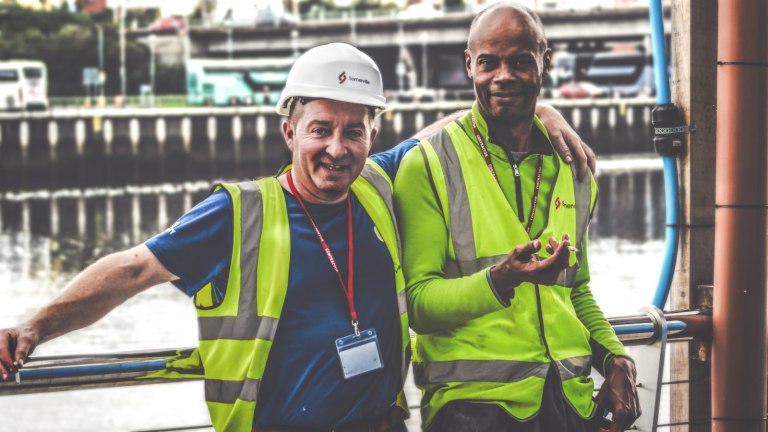
Utility, not a brochure. The industry has been through a hard restructure. Budgets moved, good people left, and trust wore thin.
If you sell to other businesses, your customer is hurting too. So ask what makes their life easier and keeps them open:
- A firm price and a firm date.
- Lead times, before they have to ask.
- A person who picks up the phone.
Then look after your long-timers. They know where the loose screws go. They also hold the relationships you’ll need when the work comes back.
Where should your construction recovery budget go first?
The foundation, before the tactics. The expensive mistake is buying parts before you know the race. A new website, portal or app, built before you can say who it’s for, gets built twice.
So spend in stages. Get your leaders aligned. Find out what your customer actually needs. Decide what matters most. Then build. Each stage earns the money for the next. That’s how you fund a construction recovery without paying twice.
Which number should you watch?
One that tells you about your customer, not just your activity. For example:
- How many quotes turn into signed jobs, and why the rest walked.
- How often the engineer specifies you, and how often that becomes the order.
- Which trade accounts grow because their own customers keep coming back.
AI won’t pick the number for you. It’s the gearbox, not the engine. Bolt it to the wrong number and you just reach the wrong call faster. Economist Charles Goodhart warned that a measure stops telling the truth once it becomes a target, and we pulled that apart here.
What does a farmer know about this?
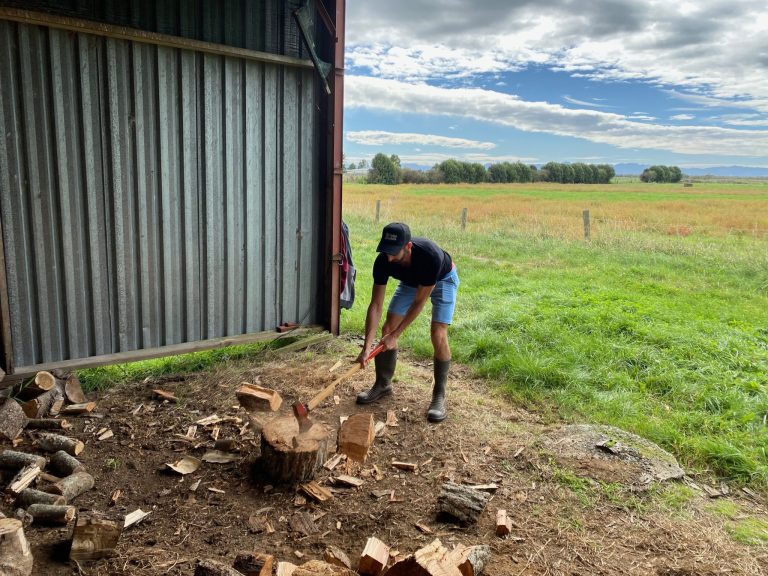
Plenty. I grew up on a Waikato dairy farm. Some years the grass keeps growing while the hammers go silent.
But nobody on a farm mistakes a good season for a permanent one. You trim while the going is good, and you put something by. The quiet months are when you fix the fences. A building recovery rewards the same habit.
How does Good CX help?
Good CX is an insight-led advisory for established businesses in New Zealand and Australia. We start with your customer’s customer. Then we find the number that matters, and the person behind it, using our DISTIL method.
Book a 15-minute call. Pick a time on your phone in under a minute.
And yes, staying up for the Formula 1 counts as research.
Frequently asked questions
When will New Zealand’s construction recovery reach building sites?
New home consents rose 17.8 percent in the year to September 2026. Building work began lifting in the June 2026 quarter, with non-residential work expected to lag.
What drives the construction recovery?
Consumer confidence. A household’s decision to build or renovate flows up through every builder, merchant, supplier and lender.
How should a building business budget for the recovery?
Foundation first. Align leaders, understand the customer, and pick the number that matters before funding websites, portals or apps.
How does Good CX help building businesses?
Good CX is an insight-led advisory for established businesses in New Zealand and Australia. It starts with the customer at the end of the chain, then uses its DISTIL method to find the number that matters most.
The latest thinking from Good CX
Ideas worth arguing with
Every so often we share what we’re learning about customers, the people who serve them, and what a leader can do with it. If we get in touch, it’s with something worth pulling apart with your team. Unsubscribe in one click.
You’ll get one confirmation email first, so we know it’s really you. We handle your details in line with our privacy policy.