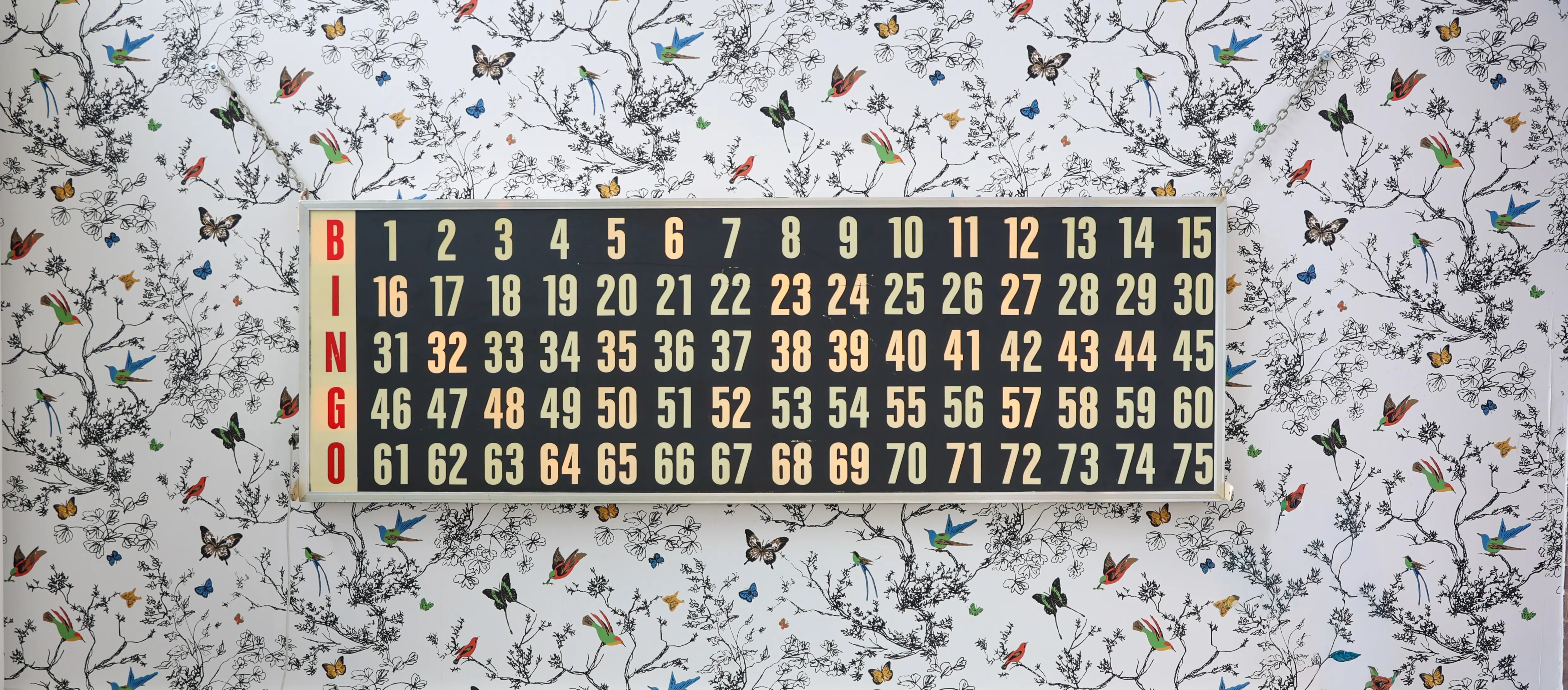
Back in 2008, Nate Silver called 49 of the 50 US states in the presidential election, missing only Indiana by a hair. By contrast, most of the political press got it embarrassingly wrong. Most voice of customer programmes are missing the same thing he had: a way to tell the signal from the noise.
The interesting thing is that Silver had no secret data. He was working with the same polls and the same numbers everyone else had. The discipline he brought to it had been honed forecasting baseball stats and playing professional poker, two arenas where the numbers always tell on you in the end. His edge, as he later set out in The Signal and the Noise, was that he stopped listening to the noise on cable television. Instead, he started listening to the signal buried inside numbers anyone could see.
Four years later, he called all fifty. Most voice of customer programmes are missing exactly the discipline that won him those calls.
Now hold that thought, because this is the same problem most voice of customer programmes have. You have the data, possibly too much of it. What you are missing is the discipline that tells the signal from the noise, plus the nerve to let that signal change what you do.
If you are a numbers person like me, that gap shows up first on the balance sheet. CAC keeps climbing, while CLTV refuses to lift the way the spreadsheet says it should. Marketing wants more budget. Sales swears the leads are weak. And somewhere underneath all of it sits a customer telling you exactly why, in a verbatim nobody opened.
”The signal is the truth. The noise is what distracts us from the truth.
Nate SilverThe Signal and the Noise
Key takeaways
Numbers are noise unless you read the words. NPS and CSAT tell you something is happening; only the verbatim tells you why.
Closing the loop is the move almost everyone skips. Tell customers what changed because of them and you turn a survey into loyalty.
A voice of customer programme is the missing variable in your CAC and CLTV equation. Rising acquisition costs and flat retention almost always mean the customer signal is not landing inside the business.
It only works in a regulated room. A programme only surfaces hard truths if the team feels safe enough to relay and act on them.
What is a voice of customer programme?
A voice of customer programme is the system a business uses to capture what customers think and feel. From there, it makes sense of those signals, acts on them, and tells customers what changed because of them. So the term is broader than any single metric. It sits alongside Fred Reichheld’s Net Promoter Score, which popularised loyalty measurement in 2003. A programme, though, is the difference between a score on a wall and a decision that gets made. Done well, it turns scattered customer signal, surveys, support calls, reviews and sales conversations, into closed loop feedback the business can actually act on.
The dashboard that changed nothing
Here is the failure mode, and it will be familiar. A business invests in listening. Surveys go out, a dashboard lights up, a quarterly deck reports the number. And then nothing moves. The dashboard becomes the customer-feedback version of the journey map that ends up as expensive wallpaper, admired, filed, and ignored.
Silver opens his book with a similar story from finance. Moody’s and the other credit rating agencies looked at mortgage-backed securities before the 2008 crisis and stamped them AAA. They had the data. What they missed was the signal underneath, the correlation between defaults that turned a manageable risk into a contagion. The dashboards stayed green right up until Lehman Brothers fell over. The lesson here is not that the agencies were stupid. It is that confident-looking averages are the most dangerous kind of noise. They feel like data, so we stop hunting for the signal underneath them.
Granted, your dashboard will not crash the global economy. It will, however, become the lens the leadership team looks through, until the only reality that registers is the one it already measures. Listening feels like progress, after all. It is cheaper than changing anything. So the programme stalls at the point where it should start to bite.
A quick honesty note on the book itself, since I have foisted it on you twice already. The Signal and the Noise is not a beach read. Silver is generous with regression equations, and you have to like statistics to make it to the end. If poker is your game, this is right up your alley. Getting through it takes concentration. So, in fairness, does building a voice of customer programme that actually moves the numbers.
One number is not a programme
This is where Net Promoter Score deserves both credit and caution. Reichheld’s 2003 insight in Harvard Business Review was elegant. One question, would you recommend us, predicted loyalty better than most longer surveys, and two-thirds of the Fortune 1000 picked it up. Executives finally had a shared, simple number to argue about.
The trouble starts when the number becomes the programme. Silver borrows a useful distinction here from the political psychologist Philip Tetlock: the hedgehog and the fox. Hedgehogs know one big thing. They have a single frame and they stick to it. Foxes, by contrast, know many small things. They triangulate, they update, they hold their views lightly. In every long-running forecasting study Tetlock ran, the foxes beat the hedgehogs by a meaningful margin.
NPS-as-the-programme is hedgehog thinking. It picks one number and stops looking. A voice of customer programme that actually moves the business runs the fox playbook instead. The score is one input. The verbatims, the cancellation reasons, the support transcripts, the sales call recordings, those are the other inputs that turn an alarm into a decision. Reichheld himself has warned against over-using the survey and against tying it to staff pay, both of which turn honest listening into score-chasing. So treat NPS as a smoke alarm. Just do not confuse it with the fire plan.
The CAC and CLTV connection
Here is the bit that lands hardest in a finance meeting. It also lights up for anyone wired like Silver. The cost of not running a real voice of customer programme shows up in the numbers long before it shows up in any survey. If you get a dopamine hit from a Strava segment time dropping or a Tribe score climbing, you already know the satisfaction of moving a number that matters. CAC and CLTV are that same wiring, played at the scale of the business. If you have read our piece on boosting profitability through CAC and retention, you already know the formula. CAC has to stay below CLTV by a margin that funds the business. When it does not, marketing throws more money at the top of the funnel and finance starts to twitch.
What that twitch usually misses, however, is the cause. Rising CAC almost always means you are speaking to people who do not yet know they want what you sell. Flat CLTV almost always means customers are leaving for a reason nobody inside the business has bothered to ask about. So the signal is sitting in the cancelled accounts, the support tickets, the won-and-then-lost deals. The dashboard does not show it because the dashboard was built around the noise.
This is why a voice of customer programme is not a CX line item. It is part of your commercial reporting. The companies that run it well find the next CAC saving and the next CLTV unlock long before their competitors do.

Close the loop
The discipline that separates a real programme from a dashboard has an unglamorous name: closed loop feedback. Silver would recognise it instantly. The reason weather forecasting has improved so dramatically over the last fifty years, he points out, is that forecasters predict, they get feedback within hours, and they update. Most other forecasting fields do not have that cycle. Customer experience usually does not either. Closing the loop is how it gets one.
The loop has four moves, and most businesses stop after the first.
First, capture the signal. Second, make sense of it, which means reading the words, not just averaging the numbers. Third, act, assign the change to someone and do it. Fourth, and this is the step almost everyone skips, tell the customer what changed because of them. That last move is what turns a survey from an extraction into a relationship. It is also, by the way, the cheapest marketing you will ever do.
What a programme that influences decisions contains
If you want feedback to change decisions rather than decorate them, build the programme around these parts. None of them require a six-figure platform.
1. Start from the decisions, not the survey
Begin with the choices the business is trying to make. What would you do differently if you knew the answer? Design the listening to inform those decisions, rather than collecting data first and hunting for a use later. Without a decision waiting for it, every score you collect is noise.
2. Mix the numbers with the words
Quantitative measures like NPS and CSAT tell you what is happening. Only the qualitative, the verbatims, the interviews, the support transcripts, tells you why. Our work on turning insight into momentum and the DISTIL methodology both start from that qualitative signal. Numbers are the alarm. Words are the address.
3. Route every theme to an owner
Insight with no owner dies. Silver makes the same point in forecasting: predictions only count when somebody is willing to be wrong in public. So for each recurring theme, name a person, a change and a measure of success. A finding that belongs to everyone belongs to no one.
4. Close the loop with the customer
Then go back and tell them. “You said the onboarding was confusing, so we rebuilt it.” Few things build loyalty faster than evidence that someone listened. Importantly, this is the move that pays for the whole programme.
5. Build a cadence, not a campaign
A programme is a living system, not a once-a-year survey. Set a rhythm to review themes, retire solved ones, and watch new signal emerge. What was signal last quarter can be noise this quarter as customer expectations move. Anyone who trains with a heart rate monitor knows the discipline already. You revise your benchmarks when the data says you have moved on, not when the calendar says it is time. Cadence is how a programme stays Bayesian, updating itself when the evidence changes.
It only works in a regulated room
Here is the part the software vendors leave out. A voice of customer programme surfaces uncomfortable signal, and someone has to be willing to relay it and act on it. That takes psychological safety, a room steady enough that the hard thing can be said by the people who know it. Where a team is afraid to relay bad feedback, the programme filters itself until only the flattering signal survives. In other words, all noise, no signal. The dashboard stays green while the customers leave.
We have written more about that regulated room in our piece on designing for psychological safety. The short version is this: the same signal feeds the rest of your customer work. It sharpens your read on what your customers actually need and gives your customer journey maps something true to stand on. Voice of customer is not a side project, then. It is the supply line for every customer decision the business makes.
Where Good CX comes in
Even so, a programme does not have to be heavy to be good. It has to be honest, owned, and acted on. So we help leaders build one that is sustainable to run and sharp enough to change decisions, grounded in real qualitative signal rather than another averaged score. Our human-centred design practice turns that signal into action, and our guide to building a customer experience strategy that actually works shows where it all connects.
The first move is smaller than it sounds. Pick one decision you wish you understood better, then go and read what your customers are already telling you about it. The signal is usually sitting there already, in the support inbox, the cancelled accounts, the sales calls that went cold. Bring it to us and we will help you turn it into something the business can act on. Start the conversation.
Treat it like the game it actually is. The signal is already in the building. The work is hearing it through the noise, and acting before the dashboard catches up.
Stu Reed is Finance Director at Good CX. A globally experienced commercial strategist, he has worked with brands including Heineken, Fonterra, and Lion Nathan across London, Singapore, and Auckland.
The latest thinking from Good CX
Ideas worth arguing with
Every so often we share what we’re learning about customers, the people who serve them, and what a leader can do with it. If we get in touch, it’s with something worth pulling apart with your team. Unsubscribe in one click.
You’ll get one confirmation email first, so we know it’s really you. We handle your details in line with our privacy policy.