East Care Case Study: healthcare accessibility through strategic communications and digital channels
East Care Urgent Care is an Auckland urgent care clinic. The cooperative of local GPs that founded it in 1987 had been serving the east of the city for over thirty years by 2020. The practice held a deep relationship with its community across two and a half generations of patients. Then that community connection was tested.
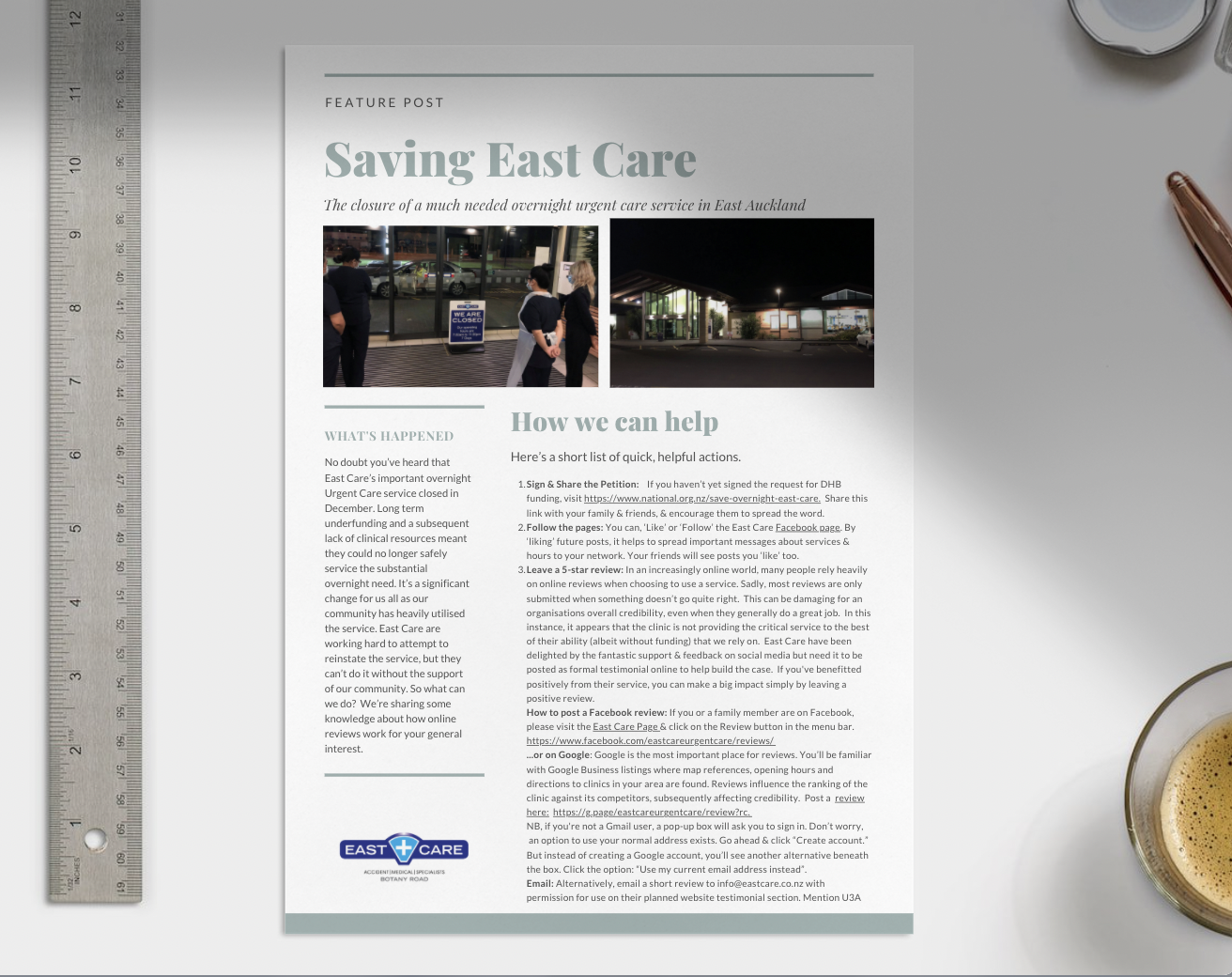
Covid arrived in New Zealand in February 2020. The country entered its first Level 4 lockdown in March. Through the rest of 2020, East Care held essential service status. Meanwhile the wider public health context scrambled every message the clinic tried to put out. Later in the year, after months of climbing patient volumes across Auckland primary care, the East Care board made a responsible decision. After clinical conversations about staff sustainability and risk, the overnight 11pm to 7am shift would close. The community responded with loyalty. Thousands signed a petition asking the clinic to bring the service back.
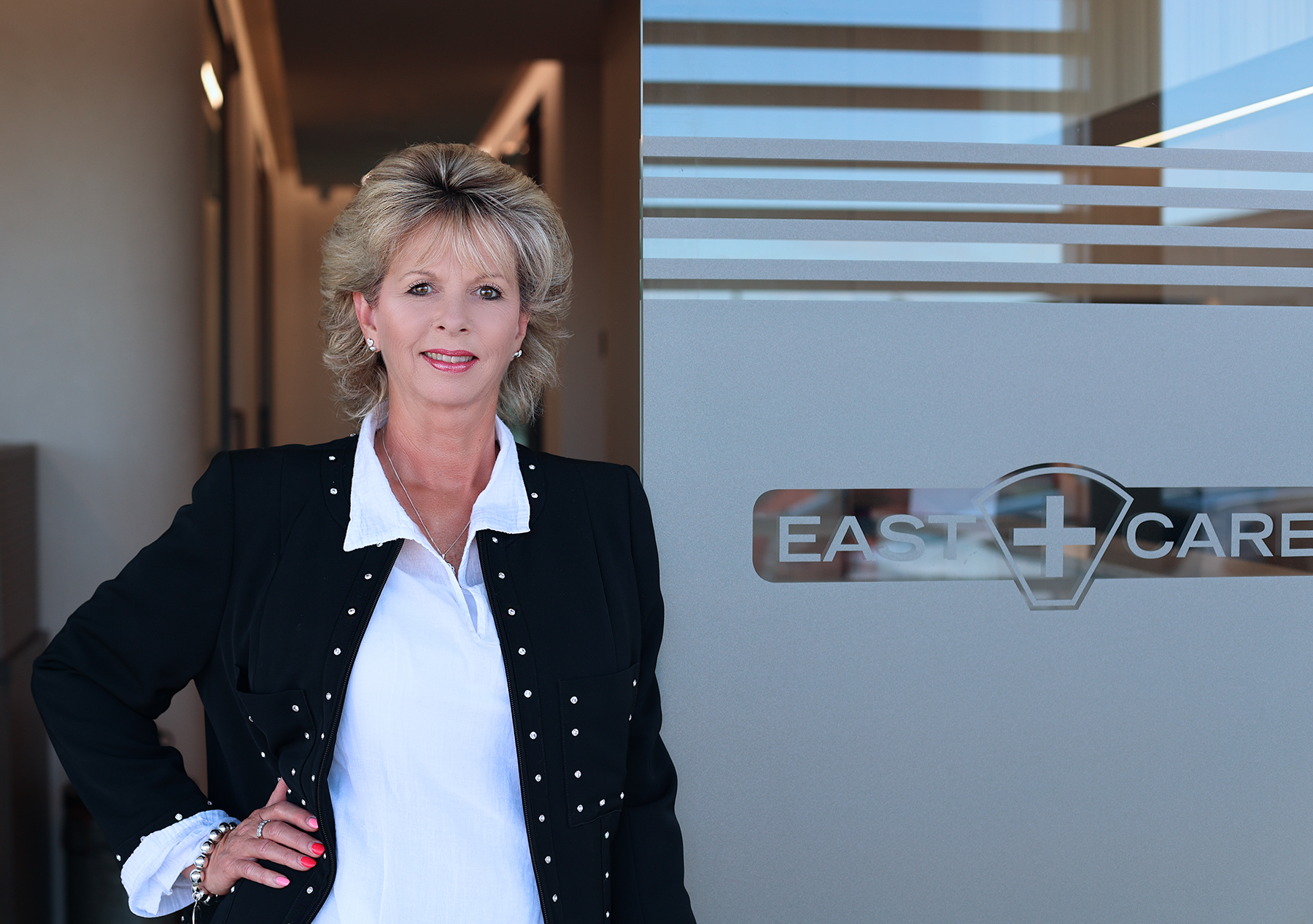
East Care worked tirelessly through this period and Lianne Webber, Operational lead, engaged Good CX to support the strategic communications. The brief also extended to activating the digital channels the clinic now urgently needed to use.
An informal read of the community in the first week of lockdown
Like everything in that time, the work needed to move quickly. So a short sentiment sample went out to community respondents in the first week of Level 4 lockdown. The signal it returned confirmed what the East Care team were already sensing in the clinic.
Patients had understandably downgraded what they considered worth seeking healthcare for. Just over a quarter said they would only attend for an absolute emergency. A third would avoid medical services because they did not want to bother stretched staff. Fewer than one in ten thought a general check-up was still worth a visit. The clinical risk inside that pattern was not a commercial one. People might wait too long.
So the strategic reframe became the anchor. Move the community from the best way to stay safe is to avoid to the best way to stay safe is to fortify with preventative care. Position East Care as the partner that made that possible – and safely.
A manifesto written to land in a nervous system
The underpinning campaign manifesto honoured the patient before instructing them:
“Here’s the thing: we need you well right now, more than ever. You can help your country by owning your wellness. Let’s make a deal: we’ll help you stay in optimum nick now while we are in a strong position of control. That will keep you safe and out of hospital beds if we need them later.”
The voice treated the patient as a partner in public health rather than a customer being instructed. With a useful toolkit of advice that was easy to find at hand and clear support to make sound healthcare decisions. That tone became the brand voice across every channel that followed.




Activating digital channels so healthcare stayed accessible
Until 2020, East Care had been such a busy, accessible clinic that digital channels had been a secondary path to care. The doors had carried the relationship. Patients walked in, were seen, walked out, and reputation travelled in the community. When lockdown made physical access difficult, those channels suddenly mattered in a way they had not needed to before. Healthcare needed to remain accessible to patients who could not necessarily come in. So each channel was activated to do work it had not previously needed to do.
Facebook as fast, clear, helpful utility
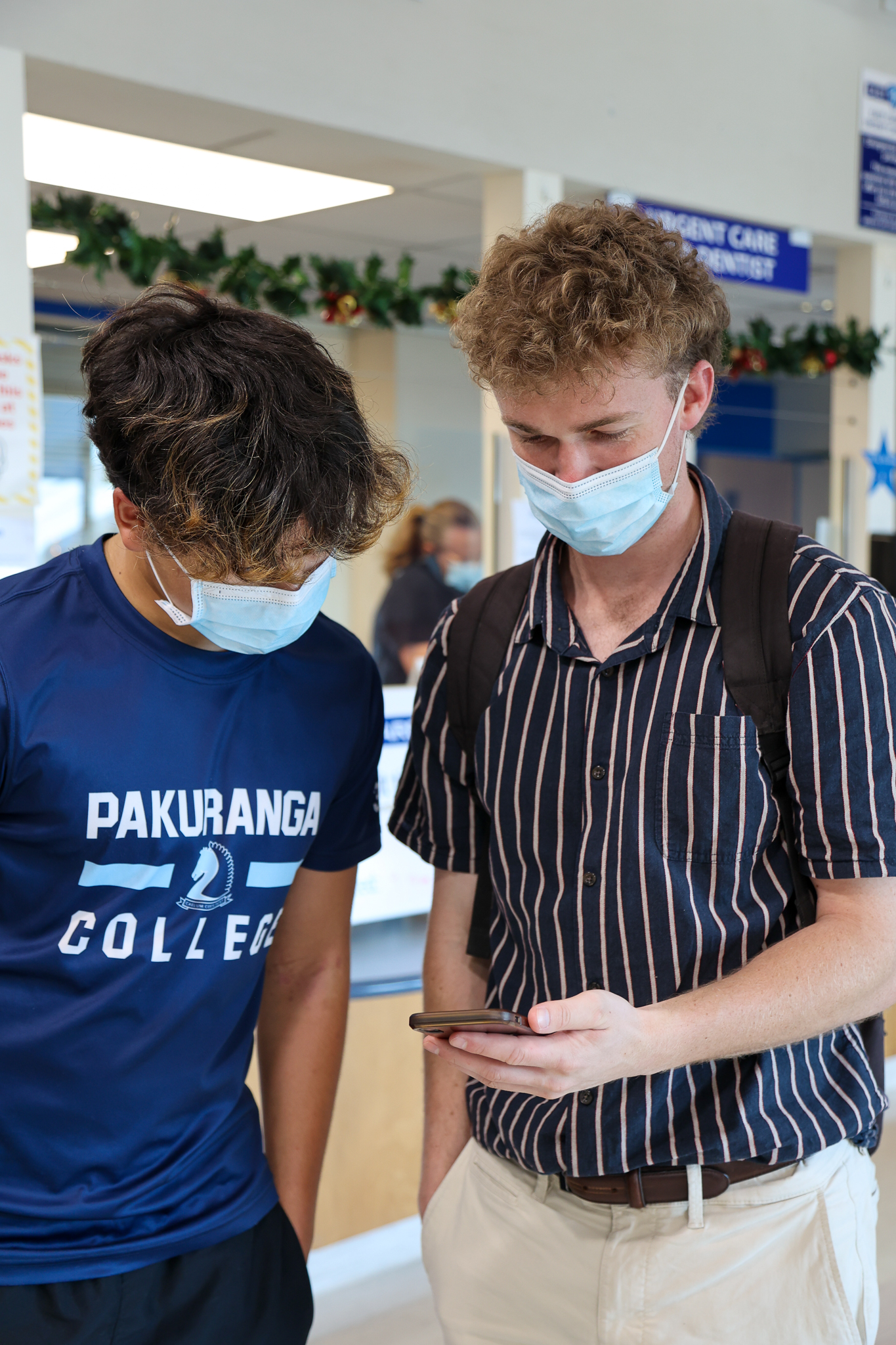
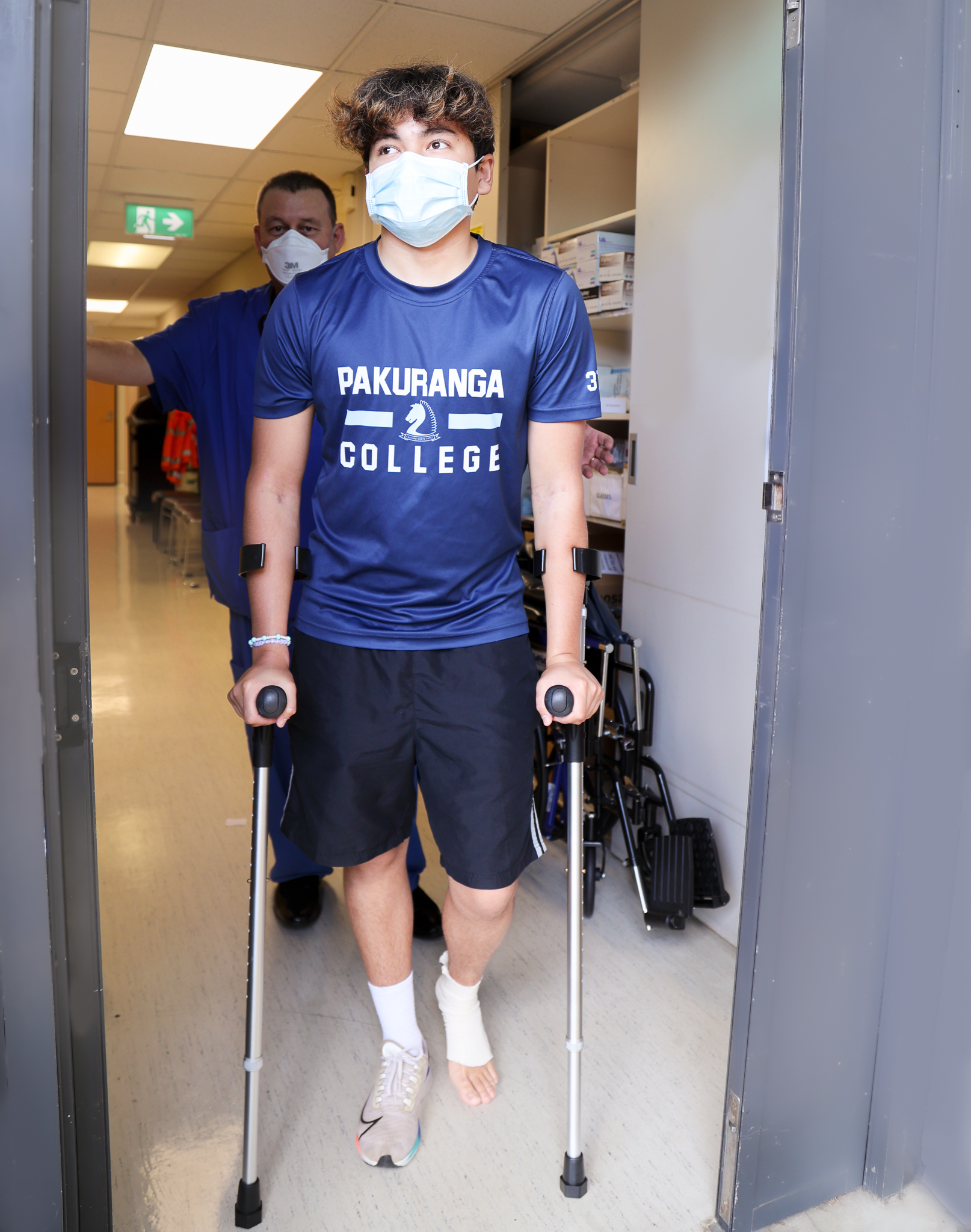
Facebook stepped up first as a channel for utility. The brief was to help patients step from first aid into the right care pathway, with confidence. Posting cadence stabilised. Real staff faces replaced stock imagery. Content reflected the cultural diversity of the east Auckland community East Care serves. Stories layered into local community groups. Then engagement moved from an average of 500 a month to 60,000.
Google My Business and structured patient feedback
Google My Business came next. Structured posts featured clinic updates and staff photography. Alongside, a formalised patient feedback workflow began. The workflow design rested on a known dynamic of healthcare review platforms. Patients tend to leave fives or ones, with not much in the middle. So inviting structured feedback through proper channels gave patients a way to be heard, before they reached for a star rating. Profile interactions then grew 89.6 percent.
The website, mobile-first, in two phases
The website work moved in two phases, both grounded in data. Analytics showed which patient touchpoints needed updating fastest.
First came the mobile-first bandaid fixes. Buttons grew. Padding doubled. Phone numbers became one-tap dial. Directions linked straight to Google Maps. A two-gateway hero gave patients one path for Covid symptoms and one for everyday care. So they could self-route in a single click. Then mobile conversion lifted from 0.01 percent to 15.88 percent.
Those fast fixes then informed the scope for a replacement site. The new build opened additional patient access pathways, each one a problem-led back door rather than a category-led front door. The architecture separated urgent care cleanly from non-urgent hub services like physio. So patients reached the right team faster. Pre-registration let people start the visit and feel reassured help was in reach before they arrived.
SEO as the accessibility foundation
Search engine optimisation was the foundation underneath all of it. Forty new service pages targeted patient search intent rather than clinic taxonomy. Each one was a back door into care, built around prioritising the question the patient was actually asking in the moment. Child fever 3am. Suspected sprain ankle. Deep cut hand. Each page carried first-aid guidance and a clear when to come in versus when to call signpost. After that foundation went in, site traffic moved from 891 monthly visits in July 2020 to 8,409 by August 2021. All organic.
All of this existed to reduce the overwhelm and stress of an urgent care moment. That is the heart of the work.




Holding presence through every lockdown wave
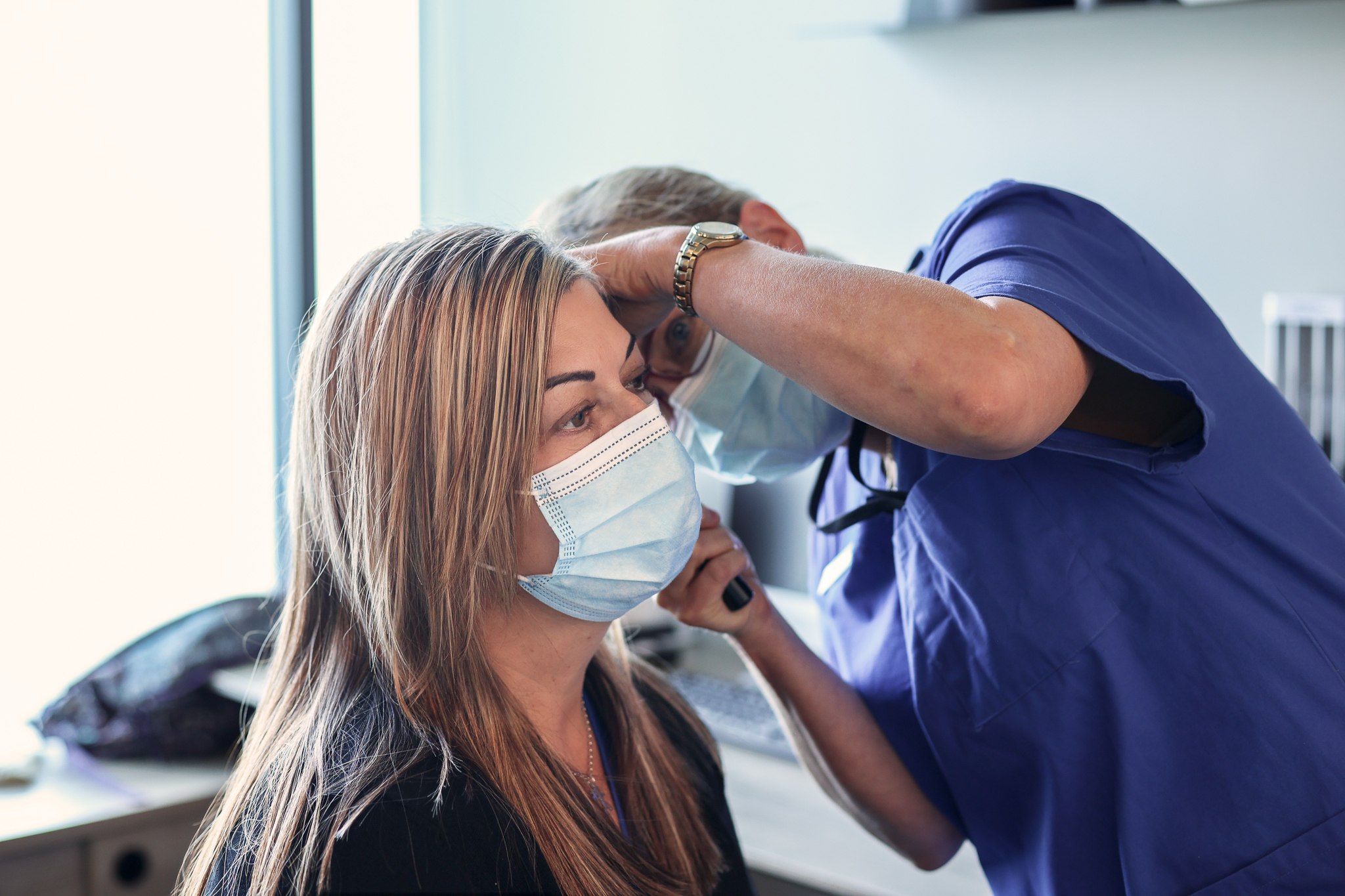
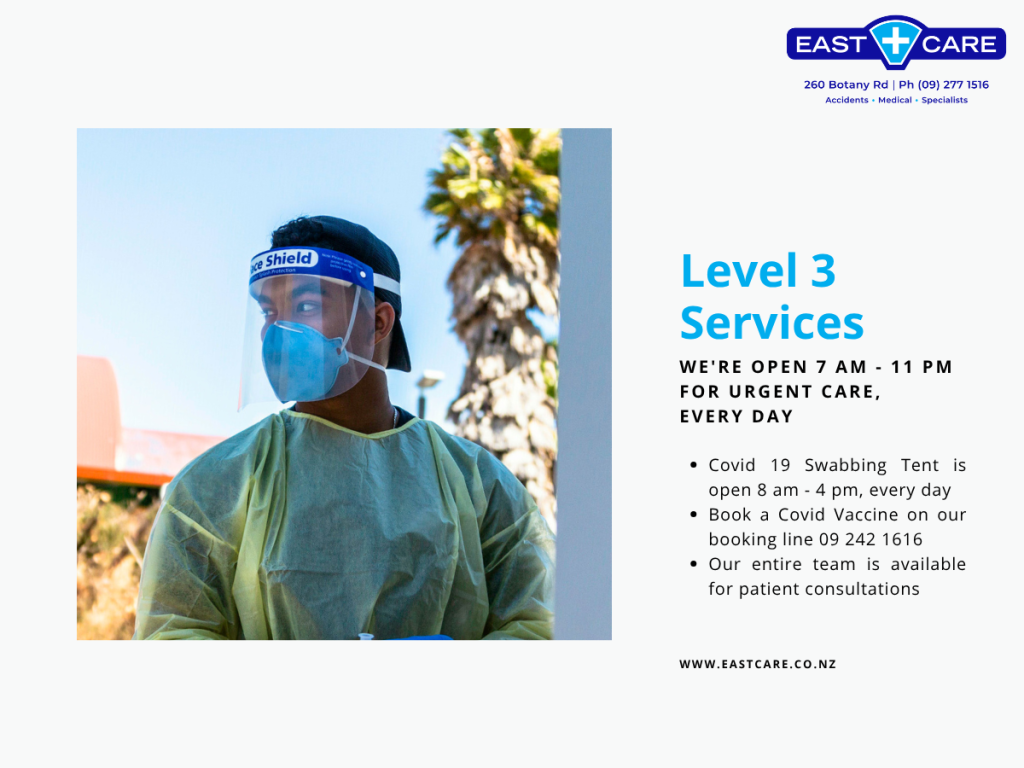
While the digital channels held the message, the frontline team did the actual care work through every wave. The doctors and nurses stood up drive-through testing in the carpark. Covid tents went up. Reception staff fielded thousands of frightened calls. They also learned new triaging systems on the fly. The clinical team held 7am to 11pm hours through alpha, delta, and omicron. They served a multilingual east Auckland community through some of the hardest patient interactions in any healthcare setting. That capability is what the communications work existed to make visible.
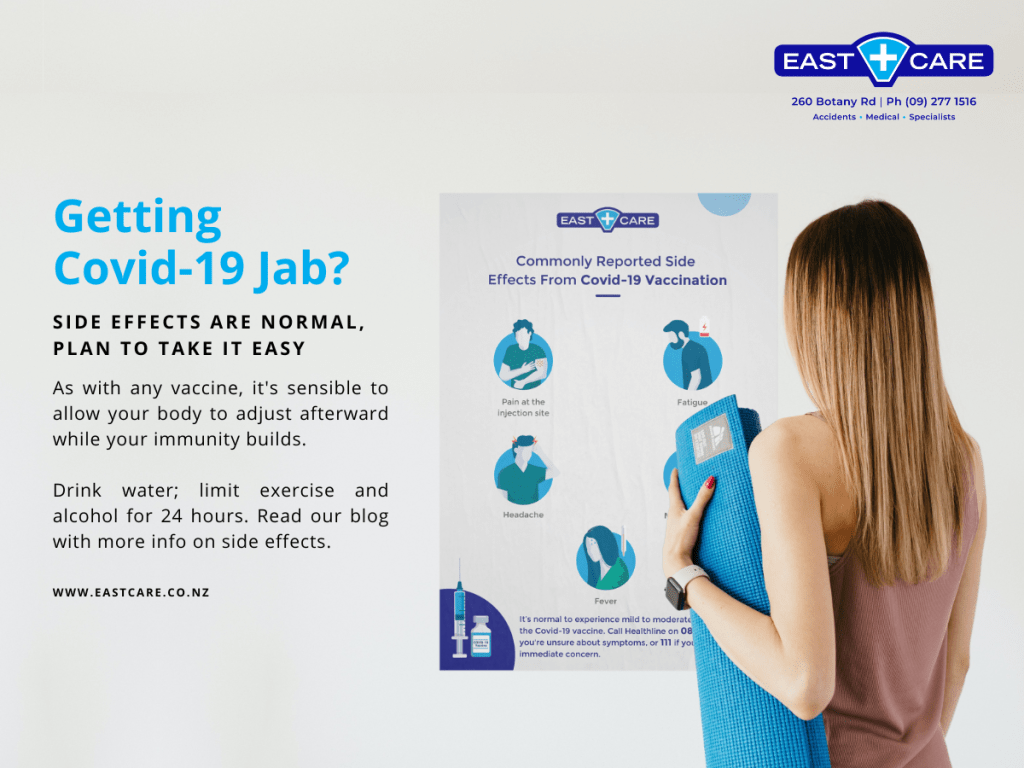
Each wave needed its own communications response. Drive-through testing arrived, so the channels reflected it. Vaccination rollouts arrived, then the website surfaced them. Booking systems changed, after which the explainer pages were rewritten.
Blog content also extended beyond Covid itself, supporting other community concerns as they arose. Each topic got its own resource, from measles outbreaks to RAT testing guidance to seasonal flu information. The channels stayed current because the foundation had been activated properly first.
After restrictions eased, East Care reopened the Specialist Centre at 260 Botany Road. Rooms opened for local specialists to consult in a community health environment. A new brochure and supporting messaging introduced the centre.


The numbers, mapped to AFAR
The results map onto Good CX’s AFAR framework: Allocentric Affinity, Felt Frequency, Attuned Advocacy, Regulated Recency.
| AFAR signal | East Care result (July 2020 to August 2021) |
|---|---|
| Allocentric Affinity (community connection) | Facebook page likes grew from a near-dormant base to 1.7k. Monthly reach 50,000 to 60,000, all organic. |
| Felt Frequency (presence rhythm) | Facebook reach +101.8% year on year. Instagram reach +174.5% on a smaller base. |
| Attuned Advocacy (voluntary amplification) | Google My Business profile interactions +89.6%. Sustained community group sharing through every lockdown wave. |
| Regulated Recency (return-visit patterns) | Mobile conversion lifted from 0.01% to 15.88%. Site traffic 891 to 8,409 monthly. |
The community response is the strongest signal underneath these numbers. When the overnight service closed, the petition asking East Care to restore it attracted over ten thousand signatures. So this was a community that wanted to stay close. The work gave them ways to do so.
A note on partnership
”East Care has a strong identity, a long history in east Auckland, and a team capable of holding a clinic together through one of the more difficult runs in recent NZ healthcare. Until 2020, the clinic had been so accessible that the digital channels had not needed to carry weight. When lockdown changed that, the channels needed activating quickly so healthcare stayed accessible to patients who could not necessarily come in. Lianne and team held the clinic valiantly. We supported remotely with the strategic communications and the channel activation. That partnership shape is how the work was possible on the timeline it had to happen on. Particular thanks and admiration to Lianne Webber and the East Care team.
Liz Pinfold ReedFounder, Good CX
If you are facing a similar moment
Healthcare practices that care about patient experience reach for Good CX in moments like East Care’s. A forced operational change. A reputational moment or public health context shift. Or a repositioning before a new chapter. Often the digital channels need activating at the same time as the strategy. So the first conversation is free. Tell us what is going on. We will tell you whether the work is the right fit.
The latest thinking from Good CX
Ideas worth arguing with
Every so often we share what we’re learning about customers, the people who serve them, and what a leader can do with it. If we get in touch, it’s with something worth pulling apart with your team. Unsubscribe in one click.
You’ll get one confirmation email first, so we know it’s really you. We handle your details in line with our privacy policy.