

Are you spending your resources attracting the right customers?
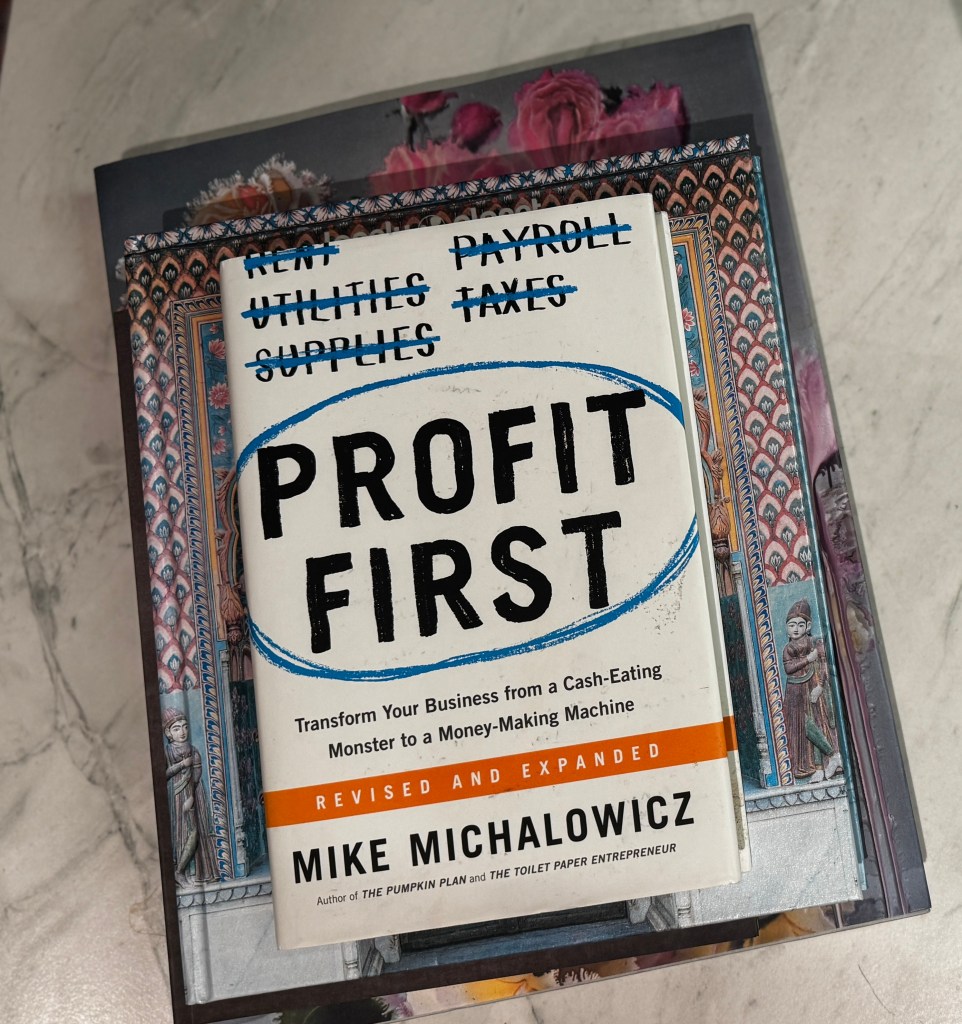
“If you remove your worst, unprofitable clients and the now-unnecessary costs associated with them, you will see a jump in profitability and a reduction in stress, often within a few weeks.”
Mike Michalowicz
What Is CAC?
If you’ve heard the term but relegated it to a back pocket of jargon, allow me to simplify. CAC (Customer Acquisition Cost) is the total cost of acquiring a new customer. This starts with every moment of awareness. It includes everything from ad spend to design resources to the effort your sales team invests in generating revenue. For numbers people like me:
CAC = Total Marketing & Sales Costs ÷ Number of New Customers Acquired
For a scaling business, tracking CAC isn’t just another “fun metric.” It’s a decision-making anchor. Say you spent $10,000 on sales and marketing last month and brought in 100 customers. Therefore, your CAC sits at $100 per customer. Okay, that’s the easy math.
But here’s the critical question: Is the lifetime value of those customers worth the price of acquisition? If you have no insight into that, you’ve already hit a profitability red flag.
Why can’t you just track CAC in isolation?
Put bluntly, CAC without its partner Customer Lifetime Value (CLTV) is like running an engine without spark plugs. Disconnected and circular, it doesn’t drive profit forward.
CLTV refers to the total revenue a customer brings in throughout their relationship with your brand long-term. Here’s where the tires hit the ground:
Your CLTV must reliably outpace your CAC—or else you’re essentially setting money on fire. If a customer costs $150 to acquire but only brings in $300 profit over time, you might survive. But imagine the shift if you’re finding customers with a CLTV closer to $500+. Now we’re cooking. That’s real growth potential.
Beyond the numbers: The missing narrative your CFO might forget
Here’s where your more linear finance people may not carry the torch. Yes, numbers show patterns, but they don’t tell stories. Insights matter, so the actionable question isn’t just ”What costs are bleeding?” You need to consider:
“Who are we actually talking to?”
Ok, humour me: You’re an SME exporting products overseas – lifestyle goods for the wellness market, ie, supplements. Marketing allocates hefty funds for generic ads, but sales trickle inconsistently. How’s your messaging landing in this very different market? Does the persona of your target export market actually align with your spend? Nine times out of ten, businesses miss that intimacy with consumer behaviour. It might not be as simple as you thought to stand out on Walmart’s heavily merchandised shelves.
Persona Development: Not just pie-in-the-sky academic fluff
There’s always a chuckle when we verbally say the words Good CX out loud with a Kiwi accent…but it’s no joke. The good stuff in business is not different from the good stuff in the bedroom. Nudge nudge, wink wink. Intimacy is the result of bothering to get to know the person you are wooing. Listening and observing thoughtfully. In Liz’s words: “You’ve gotta stop talking about yourself”. It sounds so simple, but internal bias is massive.
Crafting extraordinarily clear personas allows companies to sharpen how they target people with specificity. Seriously, run your campaigns more like scalpel work, less like spray-and-pray attempts. Without understanding who your ideal customer is, including not just where they shop but why,they’ll churn faster than cream on a high-speed whip, you’ll hit the wall. And frankly, if your business is purposefully positioned around an Unmet need, you should actually give a damn.
Start with these customer basics:
- Who in your database makes repeat purchases?
- Do the same people engage loyally online?
- Do their values match your ethos? Or perhaps think of it this way, do you mutually agree about what is really important in life? This would be set out in a clearly understood Value Exchange.
- When you’re using AI, have you actually onboarded it with sound strategy?
Recently, at the Ministry of Awesome Conference in Wellington, a partner from PwC put it better than I could:
“Efficient marketing needs grounded personas to lay clear pathways for predictable new business.”
Customer Retention is the key driver of profitability
Let’s make this brilliantly simple. Retained customers:
- Cost less to keep than acquiring new ones.
- Refer others, lowering your future CAC indirectly.
- Spend 25–95% more over their lifetime.
Got your attention now? Bain & Co did the math to confirm that “By increasing retention by as little as 5%, profits can be boosted by as much as 95%.” Nice.
FAQs About CAC – Customer Acquisition Cost
Q: Can CAC change depending on the season or campaigns?
A: Absolutely. High-pressure ad seasons (holiday sales, launches) may initially inflate CAC but generate higher returns when aligned with retention-oriented audiences. Use data post-campaign to gauge long-term client worth before panicking.
Q: How should startups calculate CAC without a big team budget?
A: Emphasise organic strategies (organic & social growth > paid search). Make early investments in word-of-mouth referrals: it’s free and keeps acquisition costs minimal as you scale up lead-tracking systems.

5 Tips to improve Acquisition and Retention today
If you’re considering how to strengthen your customer acquisition and retention efforts, focus on customer experience (CX). A renewed focus on CX ensures you’re not only bringing customers in but keeping them happy and loyal. Here’s how:
1. Understand your customers’ journey
Map out every touchpoint in your customer’s experience, from first contact to repeat purchases. Identify insights moments where customers drop off or hesitate. Then address those areas with clear communication, smoother transitions, or better follow-up experiences. Contact us for help with this.
2. Leverage Customer Insights
Invest in better tools and processes for gathering data about your customers. Consider creating programs that reveal buying patterns, preferences, and loyalty triggers. Bain & Company highlights that initiatives based on real customer behavior drive loyalty better than one-size-fits-all strategies. Read more here.
3. Don’t overuse discounts
Avoid falling into the trap of constantly using discounts to attract or retain customers. And while discounts work short-term, overuse can devalue your brand. Doh! Instead, focus on reinforcing your value through excellent service or reward-exclusive loyalty benefits.
4. Personalised messaging and tone of voice matter
A message that resonates feels tailored to your very special reader. Use customer data to develop personalised campaigns aligned with their preferences and past behaviours. Self-focused, one-size-fits-all messaging loses relevance. And, yes, you can supercharge this smartly with AI Integration.
5. Prioritise Employee Experience
Exceptional customer service builds understanding, trust and loyalty. But a disenchanted team won’t be able to solve consumer problems, let alone proactively delight customers. As Bain noted, great service often has a stronger impact on loyalty than pricing. Our Innovation Labs help teams unpack internal experience issues and drive buy-in and creation of innovation solutions. With a focused, cohesive team, unpacking the customer need is much simpler.
Sharpen your understanding of your customer
One quick and inexpensive way to learn more about personas and WOM is to jump on one of our workshops or courses. Personas play an important role in targeting storytelling. Alternatively, we’re listed with RGBP for Kiwi-funded advisory packages to build internal understanding of your business personas and lead strategy. Want us to do it for you? It would be our absolute pleasure! Contact us.
