

Why Personal Brand Photography is a Central part of your Business Story
Whether you like it or not, personal brand photography is integral to building a customer experience. Investing in a photoshoot is a rite of passage for Founders, entrepreneurs and SME owners. Any business owner who considers word-of-mouth referral as an important channel understands knows it. Helping potential clients or customers see the real person behind the business creates a huge sense of reassurance for them to engage with you. As a client said recently, “My potential clients want to know I don’t have two heads before we meet up. They need to know what to expect”. Spot on.
Irrespective of whether you’re a consultant, a coach, a lawyer or a store owner, if customers work with you in person, they need to trust you. But did you know that forced wooden photography can convey quite the opposite message?
Connect With Potential Clients on a Deeper Level with personal brand imagery that conveys safety.
Are you rocking some selfies taken at your BFFs Bali wedding on your business website? Perhaps you had a headshot taken on the fly and photoshopped that badboy until you looked like a waxwork from Madam Tussards? You might be surprised that you could be doing your brand more damage than good. When humans look at an image, their subconscious will quickly scan faces for signs of threat. If your smile is forced, you could turn clients off.




The Science of Safety and How Our Subconscious Reads Expression
Understanding the profound impact of facial expressions in establishing trust is essential for personal brand photography. Research into the psychology behind this indicates that our brains are wired to interpret emotions from facial cues almost instantaneously. Want to test how good you are at picking up micro expressions? Try Paul Ekman’s test.
When humans views an image, we immediately assess the emotional state of the person depicted. Facial expression is key in regulating the nervous system and we use other to co-regulate as proven by Dr Stephen Porges in his Polyvagal Theory. If your expression signals openness, warmth, and authenticity, potential clients will feel an innate sense of trust and safety. Conversely, if the message conveyed through your image shows discomfort or forced happiness, it can create a subtle yet significant barrier between you and your audience.
Evolution required humans to efficiently read expressions (and fast)
As the limbic system of our primal ancestors developed, we learnt to read cues of friend or foe quickly.
“For mammals, whose survival is dependent on their sociality to cooperate, to connect, and to co-regulate (Dobzhansky, 1962), the ancient defence programs had to be harnessed and repurposed to enable the expression of signals of safety and calmness in proximity to another trusted mammal.” National Library of Medicine
“An optimally resilient individual has opportunities to co-regulate physiological state with a safe and trusted other. Ideally, the “other” person projects positive cues regarding their autonomic state through prosodic voice, warm welcoming facial expressions, and gestures of accessibility. From an evolutionary perspective the integration of the neural regulation of the viscera with the regulations of the striated muscles of the face and head enable visceral state to be projected in vocalizations and facial expressions.” Dr Stephen Porges, Front. Integr. Neurosci., 10 May 2022
The Role of Authenticity in Personal Branding (and why Personal Branding Photography is a craft)
Communicating authenticity is a key factor in genuinely connecting with your audience. Therefore personal brand photography should encapsulate who you genuinely are rather than an idealized version of yourself. When you present an authentic image of yourself, it allows potential clients to see the real person behind your business. This transparency fosters deeper connections and encourages engagement.
Using personal brand photography, you can tell a story about your journey, values, and vision, which resonates with your audience. Naturally, your imagery should reflect your professionalism and personality. Most importantly, it should communicate the expressions that will help co-regulate your client into the state they desire from working with you. Are you a coach? You’ll need to look calm, present and approachable. If you’re a public speaking trainer, you must embody gravitas, confidence and charisma.
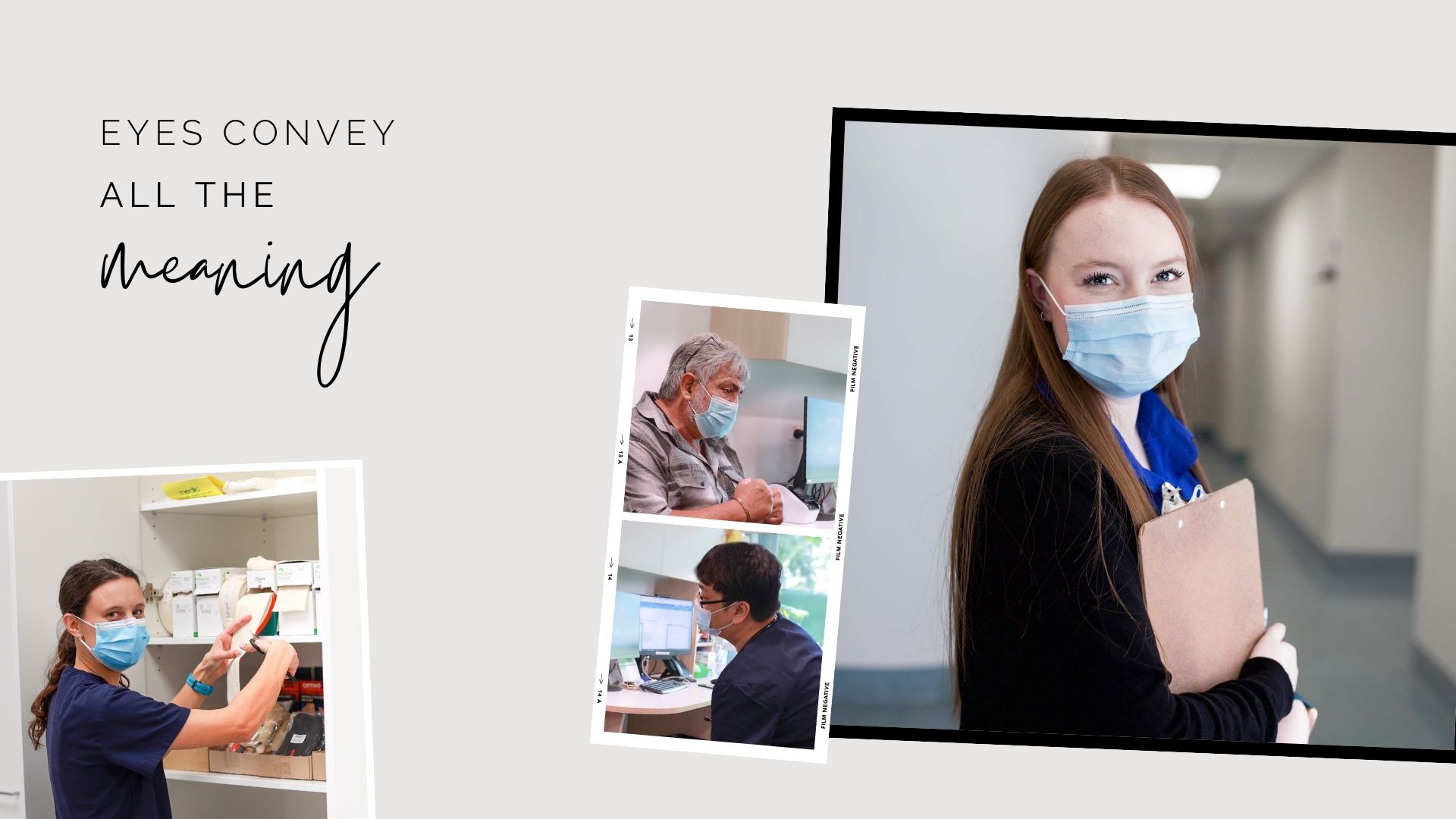
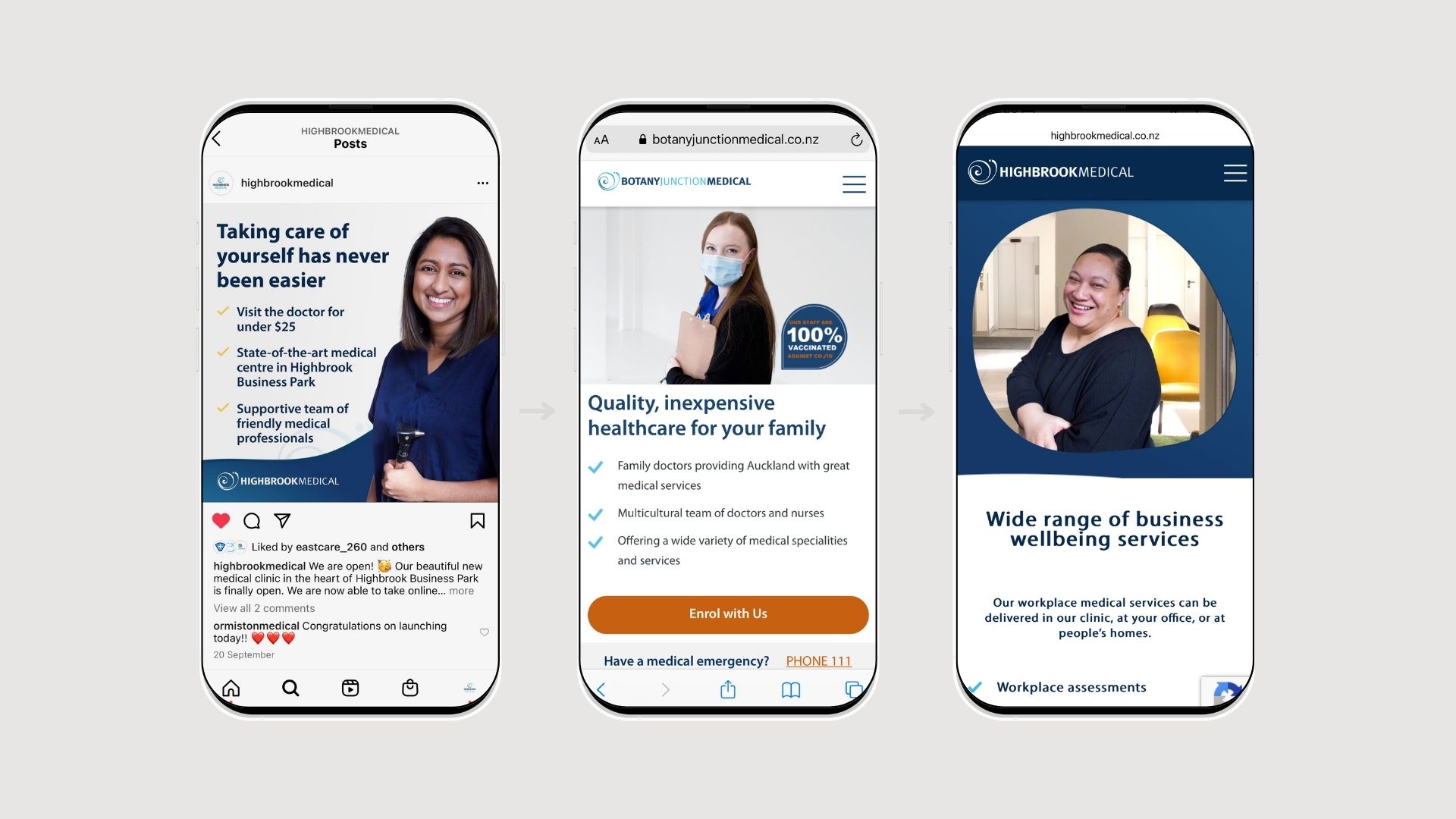
Through strategic image choices, you can highlight your everyday work environment and interactions with customers and set expectations for how you might actually show up on the day.
The Duchenne Smile and the Pan Am Smile: fake and real expressions
When it comes to personal brand photography, understanding the nuances of facial expressions can significantly affect how your audience perceives you. The Duchenne smile harks back to the 19th-century neurologist Duchenne de Boulogne. It’s a genuine expression of happiness that involves not just the mouth but also the eyes. ,This smile radiates warmth and invites trust. Moreover, it’s the kind of smile that lets potential clients know you’re approachable and sincere.
Smiles matter – but how are they different?
According to New Scientist in a Duchenne Smile, the zygomaticus major muscle lifts the corners of your mouth. Simultaneously, the orbicularis oculi muscles lift your cheeks and crinkle your eyes at the corners. You’re making a true and trusted smile.
On the other hand, the Pan Am smile (or Botox smile) is characterized by a tight-lipped grin devoid of emotion. People might view an image with this smile with detachment. While it may look polished and professional, it lacks the authenticity that people crave when connecting with someone they might want to do business with. Smiles matter. If your photos project a forced smile, it can evoke feelings of mistrust or unease, making potential clients question their decision to engage with you.
“Research in the past decades has focused overwhelmingly on a single morphological cue – the Duchenne marker – often considered as the most reliable, robust, and diagnostic cue of felt enjoyment” Frontiers (see Ekman, 2003b).”
”The key difference between this “real” happy smile and a “fake” happy smile lies in the orbicularis oculi – muscles that wrap around the eyes. All smiling involves contraction of the zygomatic major muscles, which lifts the corners of the mouth. But a Duchenne smile is characterised by the additional contraction of the orbicularis oculi, crumpling the skin around the eyes into crows’ feet.
New Scientist
Crafting Visual Narratives That Engage the viewer
When it comes to personal branding photography, the goal is not just to capture a polished image of a person smiling at the camera. Instead, a truly effective branding shoot should showcase how the individual interacts with others. Swiftly providing a glimpse into your personality and work style, potential customers will envisage themselve in the scene. Taking this purposeful approach helps to create a narrative that connects with potential clients and audiences on a more personal level.
Its not “me”. It’s “you” (photography is for the viewer not the sitter)
This is going to be hard to accept: your personal brand photoshoot is not about you. Shocking. It’s about the person who is considering working with you – and paying you some money to do so. Let’s recap: The imagery is solely there to bring your story to life. It’s there to give your consumer context about your offering and how you work, and its there to make them feel at ease. It’s there to help customers vibe with you.
Something that we cover with clients at length is how to get out of their own head. The way others see you is not the same way you see yourself. In fact, this is true to the point that you also need to remember that you are the only person you’ve met who has not seen the back of your head.
Remember, the only image you have seen of yourself is inverted: your reflection in the mirror
You know when you take a selfie, and just before you click the camera, it looks amazing? But then, when you view it, suddenly it looks bad? Well, there’s a good reason for that. It’s flipped. Beautiful reader, you have only ever seen yourself in the mirror. All your beautiful asymmetry is projected in a way that looks all wrong when captured on film – but only to you. Every person who loves your smile(and your perfect imperfections that make you human), sees your image in reverse to you.
Imperfections make you human – and more likeable.
The truth is, you will never know how beautiful you are when you are just yourself. Those dark circles you dislike under your eyes? Monash University are studying how limbal rings influence consumer perceptions of a spokesperson’s purity, and how freckles and facial asymmetry enhance judgements of the source’s authenticity. Own those freckles you try to cover up – they are seen to make you appear more trustworthy. This is especially important to understand if you are creating imagery for healthcare, wellbeing or professional services where a safe and long term relationship needs to be established.
For very bespoke Personal branding photography chat to us
Create an image bank for brands is one of the great pleasures of our work. Images that tell a story are a great way to optimise your brand presence. However, our work is not for people who simply want a headshot or a quick snap. But if you are a founder, entrepreneur, or team member who wants to connect with your audience truly, let’s talk. Generally, we work on top of an executive coaching plan that first drills down into your ‘why’.
Packages start from $1400.


“I had the most seamless and enjoyable experience working with GoodCX during the launch of a new business.
Liz is incredibly talented, wise and knowledgeable and so wonderful to work with. I couldn’t recommend her more.
Thank you for all your advice and helping me to hit the ground running. Our photoshoot in particular was a highlight.”
Amanda SutherlandInner Insight

2 Comments